 +91 919718044428
 rohitgpt18@gmail.com






 Thrombolysis in Acute Stroke
  Botolinum Toxin Injection
  Myasthenia Gravis
  Spine Disorders
  Migraine/Headache
  Epilepsy
  Stroke Paralysis
  Parkinson’s disease
  Multiple Sclerosis
  NeuroInfections
  Brain Tumor
  Alzheimer’s Disease
  Back Pain
  Dementia
Posted By: on 16 Feb 2026
The brain is the control center of the human body. It governs movement, memory, emotions, speech, sensation, sleep, and vital functions. Even minor disturbances in brain function can significantly affect daily life. However, many neurological symptoms are often ignored, misunderstood, or attributed to stress, fatigue, or aging.
Recognizing early warning signs and consulting a qualified Brain Doctor in Faridabad, such as Dr. Rohit Gupta, can lead to timely diagnosis, effective treatment, and prevention of serious complications.
What Does a Brain Doctor (Neurologist) Treat?
A brain doctor, also known as a neurologist, specializes in diagnosing and managing disorders related to:
-
Brain
-
Spinal cord
-
Nerves
-
Muscles
Neurological disorders can affect individuals of any age and may range from mild to life-threatening.
Why Neurological Symptoms Are Often Overlooked
Many early symptoms of neurological disorders are subtle and develop gradually. Patients frequently dismiss them as temporary discomfort or lifestyle-related issues.
Common reasons for delay include:
-
Assuming headaches are “normal”
-
Ignoring dizziness or imbalance
-
Overlooking memory lapses
-
Misinterpreting numbness or tingling
-
Attributing mood or sleep issues to stress
Unfortunately, delayed evaluation can allow neurological conditions to progress.
Key Signs You May Need a Brain Doctor in Faridabad
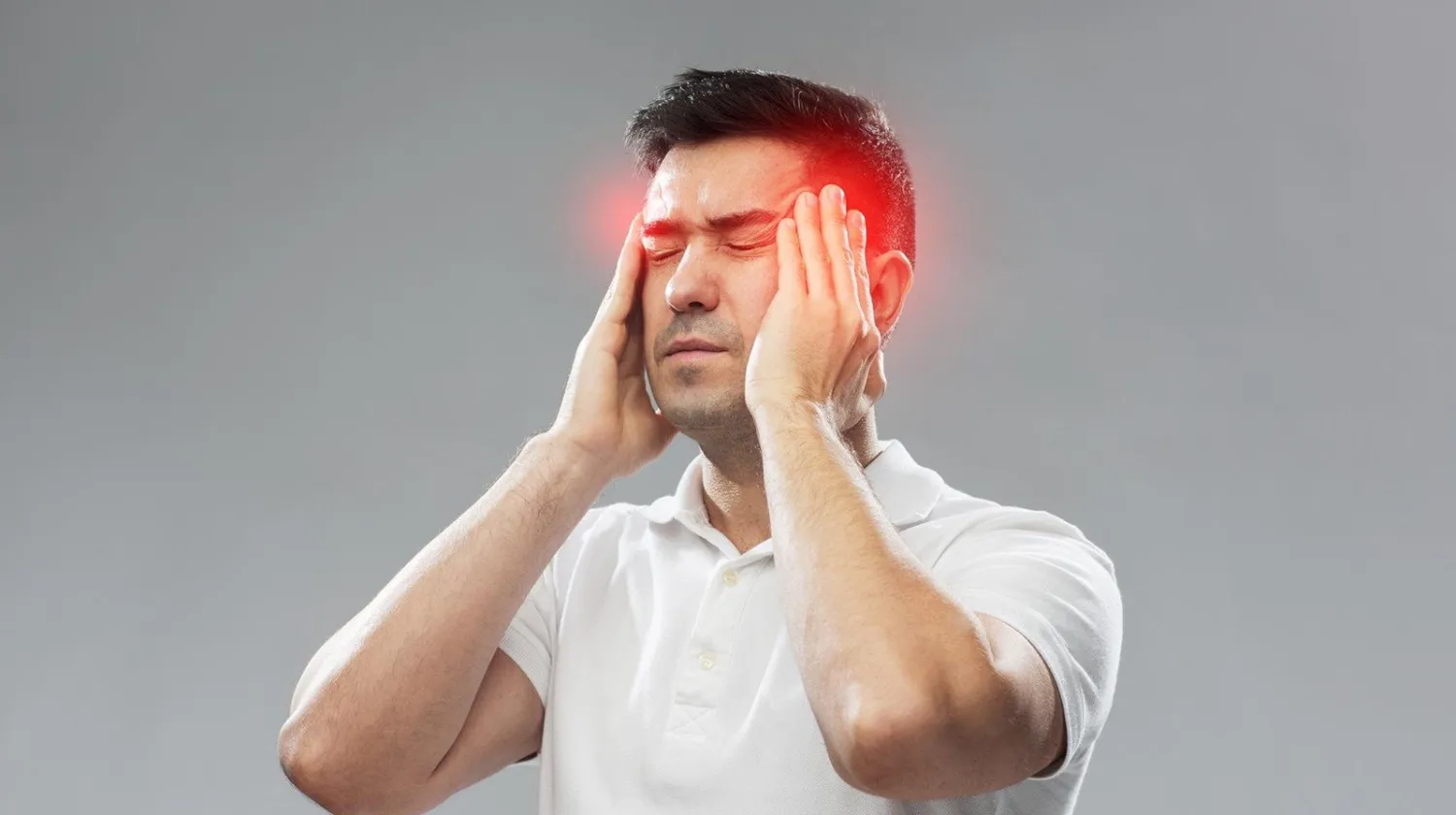
1. Persistent or Severe Headaches
Occasional headaches are common, but medical attention is needed when headaches:
-
Occur frequently
-
Worsen over time
-
Feel unusually intense
-
Are associated with vomiting
-
Occur with blurred vision
-
Disrupt sleep
Headaches may sometimes indicate:
-
Migraine
-
Tension headache
-
Cluster headache
-
Raised intracranial pressure
-
Brain lesions (rare but serious)
2. Dizziness or Loss of Balance
Repeated dizziness, vertigo, or unsteadiness should not be ignored.
Possible neurological causes include:
-
Vestibular disorders
-
Stroke
-
Cerebellar dysfunction
-
Nerve-related imbalance
3. Numbness or Tingling Sensations
Tingling, burning, or numbness in the arms, legs, or face may signal nerve involvement.
Potential causes:
-
Peripheral neuropathy
-
Nerve compression
-
Cervical spine disorders
-
Multiple sclerosis
4. Weakness in Limbs
Sudden or progressive weakness in the arms or legs is a significant neurological warning sign.
This may indicate:
-
Stroke
-
Nerve injury
-
Spinal cord disorder
-
Motor neuron disease
Immediate consultation is critical in sudden onset cases.
5. Memory Problems or Confusion
Occasional forgetfulness is normal, but concern arises when there is:
-
Frequent memory loss
-
Difficulty recalling recent events
-
Confusion
-
Trouble concentrating
-
Personality changes
Possible underlying issues:
-
Mild cognitive impairment
-
Dementia
-
Brain injury
-
Vitamin deficiencies
-
Neurological disease
6. Tremors or Involuntary Movements
Shaking of hands, head, or limbs may indicate:
-
Essential tremor
-
Parkinson’s disease
-
Medication side effects
-
Neurological dysfunction
7. Sleep Disturbances
Sleep problems may stem from neurological or brain-related conditions.
Examples:
-
Insomnia
-
Restless sleep
-
Excessive daytime sleepiness
-
Sleep apnea
-
Parasomnias
8. Seizures or Blackout Episodes
Seizures are always a neurological emergency and require evaluation by a Brain Doctor in Faridabad.
Symptoms may include:
-
Sudden loss of consciousness
-
Jerking movements
-
Staring spells
-
Confusion after episodes
9. Speech or Vision Changes
Sudden difficulty in speaking, slurred speech, or blurred/double vision may indicate:
-
Stroke
-
Nerve palsy
-
Brain lesion
Urgent medical care is necessary.
10. Chronic Neck or Back Pain with Neurological Symptoms
Pain associated with:
-
Arm numbness
-
Leg weakness
-
Tingling
-
Balance issues
may suggest nerve or spinal cord involvement.
Why Early Diagnosis Matters
Neurological disorders can worsen silently. Early intervention offers:
-
Better treatment outcomes
-
Slower disease progression
-
Reduced complications
-
Improved quality of life
Ignoring symptoms may lead to:
-
Permanent nerve damage
-
Stroke complications
-
Disability
-
Chronic pain
-
Cognitive decline
How Dr. Rohit Gupta Evaluates Neurological Symptoms
As an experienced Brain Doctor in Faridabad, Dr. Rohit Gupta follows a structured diagnostic approach.
1. Detailed Clinical History
Includes:
-
Symptom onset
-
Duration and progression
-
Triggers
-
Associated conditions
-
Lifestyle factors
2. Neurological Examination
Assessment of:
-
Reflexes
-
Muscle strength
-
Coordination
-
Sensation
-
Balance
-
Cognitive function
3. Diagnostic Investigations (If Required)
May include:
-
MRI Brain
-
CT Scan
-
EEG
-
Nerve conduction studies
-
Blood tests
Treatment Approaches
Management depends on the diagnosis and may involve:
-
Medications
-
Lifestyle modifications
-
Physiotherapy
-
Pain management
-
Interventional procedures
-
Long-term neurological care
Who Should Consider a Neurology Consultation?
You should see a Brain Doctor in Faridabad if you experience:
-
Unexplained neurological symptoms
-
Recurrent headaches
-
Memory decline
-
Tremors
-
Dizziness
-
Numbness
-
Sleep disturbances
-
Seizures
Frequently Asked Questions (FAQs)
1. What is a Brain Doctor?
A brain doctor, or neurologist, specializes in diagnosing and treating disorders affecting the brain, spinal cord, and nerves.
2. When should I consult a Brain Doctor in Faridabad?
Consult a specialist if symptoms persist, worsen, or include headaches, dizziness, weakness, tremors, seizures, or memory problems.
3. Are all headaches neurological?
No. Many headaches are benign, but persistent, severe, or unusual headaches require medical evaluation.
4. Can neurological disorders be treated?
Many neurological conditions can be effectively managed, especially when diagnosed early.
5. Is dizziness a neurological problem?
Not always, but recurrent or severe dizziness may be linked to neurological or vestibular disorders.
6. What are early signs of stroke?
Warning signs include:
-
Sudden weakness
-
Facial drooping
-
Speech difficulty
-
Vision changes
-
Loss of balance
Immediate medical attention is essential.
7. Can memory problems occur in younger adults?
Yes. Causes may include stress, sleep disorders, vitamin deficiencies, anxiety, depression, or neurological issues.
8. Are tremors always Parkinson’s disease?
No. Tremors may result from essential tremor, anxiety, metabolic issues, or other neurological conditions.
9. Do sleep disorders require a neurologist?
Many sleep disorders have neurological links and benefit from evaluation by a brain specialist.
10. Why consult Dr. Rohit Gupta – Brain Doctor in Faridabad?
Dr. Rohit Gupta offers:
-
Accurate neurological diagnosis
-
Comprehensive evaluation
-
Evidence-based treatment
-
Advanced pain and neuro care
-
Personalized patient management
Conclusion
Neurological symptoms are often underestimated, yet they may signal significant underlying conditions. Early recognition and consultation with a qualified Brain Doctor in Faridabad, such as Dr. Rohit Gupta, can prevent complications and ensure timely, effective care.
If you experience persistent headaches, dizziness, numbness, tremors, memory changes, or sleep disturbances, seeking expert evaluation is a proactive step toward protecting your brain health.








 Book an Appointment